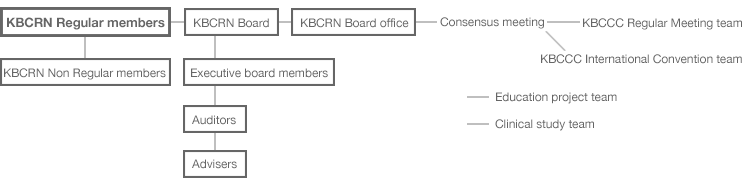
A consensus is a high quality discussion where participants share the same fundamental principles. Our intention is to share the fundamentals discussed, collected and collated as a group and then encourage these fundamentals to be put into practice by medical professionals.
Improving the Quality of Life of patients as well as Breast Cancer Treatment is the core principle of this consensus. Participants will see a great deal of consideration created that will enrich the quality of the convention, held to the very highest international standards.
The collaboration and sequencing of different types of disciplines; Surgery, Radiation therapy (radiotherapy), Pathological diagnosis during individual clinical practice, indicates the importance of creating unification between methodologies. The construction of guidelines and analyzed content throughout discussions will empower and educate all participants.
Corporate
Name |
Kyoto Breast Cancer Research Network (abbr: KBCRN) |
Official Name |
Kyoto Breast Cancer Research Network |
Board of Directors |
Directors |
Norikazu Masuda
(Representative) |
Department of Breast Surgery, Graduate School of Medicine, Kyoto University, Professor |
| Masahiro Takada
|
Professor, Department of Breast Surgery, Kansai Medical University |
| Masakazu Toi |
Director,
Tokyo Metropolitan Cancer and Infectious Disease Center,
Komagome Hospital |
| Takashi Inamoto |
Ijinkai Takeda General Hospital, Director of Breast Center |
| Chikako Yamauchi |
Shiga General Hospital, Department Chief of Radiation Oncology |
| Hiroshi Ishiguro |
Saitama Medical University International Medical Center
Professor, Breast Oncology Service |
| Takashi Okino |
Kohka Public Hospital
(ex)Vice President |
| Tomoharu Sugie |
Kansai Medical University kori Hospital, Director, Outpatient Chemotherapy Center |
| Akira Yamauchi |
Misugikai Medical Corporation, Satou Hospital |
|
Executive Members |
| Masako Kataoka |
Kyoto University Hospital, Diagnostic Radiology, Diagnostic Imaging Group |
| Hironori Kato |
Kyoto Medical Center, Head of Department of Breast Surgery |
| Tatsushi Kato |
Yamatotakada City Hospital |
| Masahiro Kawashima |
Department of Breast Surgery, Graduate School of Medicine, Kyoto University, Lecturer |
| Takaki Sakurai |
Japanese Red Cross Society, Osaka Red Cross Hospital, Department of Diagnostic Pathology |
| Fumiaki Sato |
Kansai Electric Power Company Hospital |
| Nobuhiko Shinkura |
Ijinkai Takeda General Hospital, Director of Breast Surgery |
| Eiji Suzuki |
Kobe City Medical Center Chuo Municipal Hospital |
| Hirofumi Suwa |
Hyogo Prefectural Amagasaki General Medical Center, Department of Breast Surgery, Chief |
| Sachiko Takahara |
Kitano Hospital, The Tazuke Kofukai Medical Research Institute, Breast Center, Breast Surgery, Chief director |
| Megumi Takeuchi |
Mitsubishi Kyoto Hospital Director, Department of Breast Surgery |
| Fumie Tanaka |
Japanese Red Cross Fukui Hospital
Chief Breast Surgeon |
| Wakako Tsuji |
Department of Breast Surgery, Director |
| Shigeru Tsuyuki |
Osaka Red Cross Hospital, Chief director |
| Shunichi Higashide |
Nagahama City Hospital, Health Care Research Center Vice Center Director, Special Director of Surgery |
| Tsuyoshi Mori |
Shiga Mori breast clinic, Director |
| Yoshio Moriguchi |
Kyoto City Hospital, Breast Surgery |
| Kazuhiko Yamagami |
Shinko Hospital, Vice Hospital Director and Director of Breast Surgery |
| Hiroyasu Yamashiro |
Tenri Hospital, Department of Breast Surgery, Director |
| Hiroshi Yoshibayashi |
Wakayama Breast Clinic, Hospital Director |
| Michio Yoshimura |
Kyoto University, Department of Radiation Oncology and Image-applied Therapy, Associate professor |
| Tomoyuki Aruga |
Tokyo Metropolitan Cancer and Infectious Diseases Center Komagome Hospital, Department of Breast Surgery, Director of the Department of Genetic Medicine |
| Takayuki Ueno |
The Cancer Institute Hospital Of JFCR, Director of the Department of Breast Surgery |
| Toshitaka Okuno |
Kobe City Nishi-Kobe Medical Center, Director of the Department of Breast Surgery |
| Junichi Kaganoi |
JUN Clinic, Hospital Director |
| Shigehira Saji |
Fukushima Medical University, Director Professor of the Department of Medical Oncology |
| Suzaki Sato |
Japanese Red Cross Otsu Hospital, Department of Surgery, Vice Director of the Third Surgical Department |
| Shigenori Nagai |
Saitama Prefectural Cancer Center, Vice Director of the Department of Breast Oncology |
| Naoki Niikura |
Tokai University, Department of Surgery, School of Medicine, Professor of the Department of Breast Surgery |
| Yasuo Matsutani |
Japanese Red Cross Wakayama Medical Center, Director of the Department of Breast Surgery |
| Kazushige Yamaguchi |
Kurashiki Central Hospital, Director of the Department of Surgery |
| Kei Yonezawa |
Shizuoka City Shizuoka Hospital, Director of the Department of Surgery and Gastroenterology |
| Kosuke Kawaguchi |
Mie University Hospital, Breast Center, Professor, |
|
Auditors |
| Hajime Abe |
Bellland General Hospital, Director of Breast Center |
| Tecchuu Lee |
Japanese Red Cross Kyoto Daiichi Hospital, Department of Breast Surgery, Adviser |
|
Advisers |
| |
| Kazuhisa Ohgaki |
Kyoto Karasuma Hospital, Honorary Director |
| Masahiro Hiraoka |
Kyoto University, Emeritus professor |
|
Committee Organizations |
Legal Affairs |
Legal affairs committee |
|
| Yoshio Moriguchi (Chairperson) |
Kyoto City Hospital, Breast Surgery |
| Masahiro Kawashima |
Graduate School of Medicine and Faculty of Medicine Kyoto University, Assistant Professor |
| Eizi Suzuki |
Kyoto University Hospital, Associate Professor |
| Hirofumi Suwa |
Hyogo Prefectural Amagasaki General Medical Center, Department of Breast Surgery, Chief |
| Ai Tominaga |
Legal Professional corporation |
| Shunichi Higashide |
Nagahama City Hospital, Health Care Research Center Vice Center Director, Special Director of Surgery |
| Kazuhiko Yamagami |
Shinko Hospital, Vice Hospital Director and Director of Breast Surgery |
| Hiroyasu Yamashiro |
Tenri Hospital, Department of Breast Surgery, Director |
| Michio Yoshimura |
Kyoto University, Department of Radiation Oncology and Image-applied Therapy, Associate professor |
|
Compliance Committee |
|
| Chikako Yamauchi (Chairperson) |
Shiga General Hospital, Department Chief of Radiation Oncology |
| Takaki Sakurai |
Japanese Red Cross Society, Osaka Red Cross Hospital, Department of Diagnostic Pathology |
| Shigeru Tsuyuki |
Osaka Red Cross Hospital, Chief director |
| Ai Tominaga |
Legal Professional corporation |
|
Medical Information Subcommittee |
|
| Eizi Suzuki (Chairperson) |
Kyoto University Hospital, Associate Professor |
| Masahiro Kawashima |
Graduate School of Medicine and Faculty of Medicine Kyoto University, Assistant Professor |
| Suzaki Satoshi |
Otsu City Public Hospital |
|
Financial Affairs Committee |
|
| Hirofumi Suwa (Chairperson) |
Hyogo Prefectural Amagasaki General Medical Center, Department of Breast Surgery, Chief |
| Ryuji Okamura |
Kyoto Karasuma Hospital, Surgery, Hospital Director |
| Kyoko Kagawa |
Tax accountant corporation FCbrain |
| Fumie Tanaka |
Japanese Red Cross Fukui Hospital, Chief Breast Surgeon |
| Ai Tominaga |
Legal Professional corporation |
| Hiroshi Yoshibayashi |
Wakayama Breast Clinic, Hospital Director |
| Michio Yoshimura |
Kyoto University, Department of Radiation Oncology and Image-applied Therapy, Associate professor |
|
General Affairs Committee |
|
| Takashi Okino (Chairperson) |
Kohka Public Hospital (ex)Vice President |
| Takashi Inamoto |
Ijinkai Takeda General Hospital, Director of Breast Center |
| Ryuji Okamura |
Kyoto Karasuma Hospital, Surgery, Hospital Director |
| Nubuko Kawaguchi |
Clinical Oncology, Kyoto University Hospital |
| Yuichiro Kikawa |
Assistant Professor, Kansai Medical University Hospital, Department of Breast Surgery |
| Norihiko Kitamura |
KBCRN |
| Masahiro Takada |
Professor, Department of Breast Surgery, Kansai Medical University |
| Megumi Takeuchi |
Mitsubishi Kyoto Hospital, Department of Surgery |
| Wakako Tsuji |
Shiga General Hospital, Department of Surgery |
| Masae Torii |
Japanese Red Cross Wakayama Medical Center |
| Tsuyoshi Mori |
Shiga Mori breast clinic, Director |
| Yoshio Moriguchi |
Kyoto City Hospital, Breast Surgery |
| Iku Yamaga |
Kyoto Medical Center, Department of Breast Surgery |
|
General Affairs Committee BBB Subcommittee |
|
| Nubuko Kawaguchi (Chairperson) |
Clinical Oncology, Kyoto University Hospital |
| Masahiro Kawashima |
Kyoto University Hospital, Assistant Professor |
|
General Affairs Committee BORN Subcommittee |
|
| Masahiro Takada |
Professor, Department of Breast Surgery, Kansai Medical University |
| Nubuko Kawaguchi |
Clinical Oncology, Kyoto University Hospital |
|
Academic Research Committee |
|
| Nobuhiko Shinkura (Chairperson) |
Ijinkai Takeda General Hospital, Director of Breast Surgery |
| Hiroshi Ishiguro |
Saitama Medical University International Medical Center, Professor, Breast Oncology Service |
| Masako Kataoka |
Department of Diagnostic Imaging and Nuclear Medicine, Kyoto University |
| Kosuke Kawaguchi |
Mie University Hospital, Breast Center, Professor, |
| Tomoharu Sugie |
Kansai Medical University kori Hospital, Director, Outpatient Chemotherapy Center |
| Megumi Takeuchi |
Mitsubishi Kyoto Hospital, Department of Surgery |
| Yoshiaki Matsumoto |
Breast Surgical Oncology Department Japanese Red Cross Wakayama Medical Center Deputy Director, |
| Akira Yamauchi |
Misugikai Medical Corporation, Satou Hospital |
| Chikako Yamauchi |
Shiga General Hospital, Department Chief of Radiation Oncology |
| Hiroshi Yoshibayashi |
Wakayama Breast Clinic, Hospital Director |
|
Academic Research Committee, Consensus Regular Conference |
|
| Hironori Kato |
Kyoto Medical Center, Head of Department of Breast Surgery |
| Tatsushi Kato |
Yamatotakada City Hospital |
| Hirofumi Suwa |
Hyogo Prefectural Amagasaki General Medical Center, Department of Breast Surgery, Chief |
| Yoshiaki Matsumoto |
Breast Surgical Oncology Department Japanese Red Cross Wakayama Medical Center Deputy Director, |
|
Academic Research, KEIJI Breast Cancer Research Committee |
|
| Masahiro Takada |
Professor, Department of Breast Surgery, Kansai Medical University |
|
Academic Research, Clinical Research Committee |
|
| Takashi Inamoto (Chairperson) |
Ijinkai Takeda General Hospital, Director of Breast Center |
| Takashi Okino |
Kohka Public Hospital (ex)Vice President |
| Nobuko Kawaguchi |
Kyoto University Hospital, Program-Specific Hospital Assistant Professor |
| Masahiro Kawashima |
Graduate School of Medicine and Faculty of Medicine Kyoto University, Assistant Professor |
| Takeshi Kotake |
Kansai Electric Power Hospital Department of Medical Oncology |
| Fumiaki Sato |
Kansai Electric Power Hospital |
| Nobuhiko Shinkura |
Ijinkai Takeda General Hospital, Director of Breast Surgery |
| Tomoharu Sugie |
Kansai Medical University kori Hospital, Director, Outpatient Chemotherapy Center |
| Masahiro Takada |
Professor, Department of Breast Surgery, Kansai Medical University |
| Megumi Takeuchi |
Mitsubishi Kyoto Hospital, Department of Surgery |
| Wakako Tsuji |
Shiga General Hospital, Department of Surgery |
| Shoji Tsunekawa |
Kansai electric power hospital, Director of Breast Surgery |
| Akira Yamauchi |
Misugikai Medical Corporation, Satou Hospital |
|
Public Relations Committee |
|
| Kazuhiko Yamagami (Chairperson) |
Shinko Hospital, Vice Hospital Director and Director of Breast Surgery |
| Takaki Sakurai |
Japanese Red Cross Society, Osaka Red Cross Hospital, Department of Diagnostic Pathology |
| Shunichi Higashide |
Nagahama City Hospital, Health Care Research Center Vice Center Director, Special Director of Surgery |
| Kimiko Hirata |
Osaka Red Cross Hospital, Department of Radiation Therapy, Director |
| Tsuyoshi Mori |
Shiga Mori breast clinic, Director |
| Shigeru Tsuyuki |
Osaka Red Cross Hospital, Chief director |
| Hiroyasu Yamashiro |
Tenri Hospital, Department of Breast Surgery, Director |
| Hiroshi Yoshibayashi |
Wakayama Breast Clinic, Hospital Director |
| Sachiko Yuen |
Shinko Hospital |
|
Educational Committee |
|
| Kazuhiko Yamagami (Chairperson) |
Shinko Hospital, Vice Hospital Director and Director of Breast Surgery |
| Nubuko Kawaguchi |
Clinical Oncology, Kyoto University Hospital |
| Yuichiro Kikawa |
Assistant Professor, Kansai Medical University Hospital, Department of Breast Surgery |
| Noriko Senda |
Osaka Red Cross Hospital, Department of Breast Surgery |
| Hajime Matsumoto |
Shinko Hospital, Vice Director of Breast Surgery |
| Yoshiaki Matsumoto |
Breast Surgical Oncology Department Japanese Red Cross Wakayama Medical Center Deputy Director, |
| Hiroyasu Yamashiro |
Tenri Hospital, Department of Breast Surgery, Director |
|
Established |
April 3rd 2015 |
Location
of the office |
General Affairs and Conference Secretariat:
Office MOROhan, 1st Fl. Asvel Kyoto Nishijin, Teraimacho Omiya Higashi iru, Kamigyo-ku, Kyoto-shi, Kyoto, 602-8215, Japan
Clinical Trials Office:
#25 Moribiru, 610 Kusunokicho Nakagyo-ku, Kyoto-shi, Kyoto, 604-0883, Japan |
Contact Us |
Management Division
e-mail: info@kyoto-breast-cancer.org |
URL |
http://www.kyoto-breast-cancer.org/ |
Mission
Statement |
This corporation has fully taken over the activities of NPO KBCCC and will train medical professionals involved in breast cancer treatment.
Diversify and freely discuss the numerous issues concerning breast cancer diagnosis and treatment.
Take action on a suggested solution that will contribute and lead to the improvement of breast cancer treatment. |
Activities |
The above goals contribute to the following NPO activities.
- Manpower development and human resources involved in Breast Cancer Treatment.
- Publication of dissertations concerning Breast Cancer Treatment.
- Holding of lectures and conferences concerning in depth research into Breast Cancer Treatment.
- Other necessary operations carried out for the accomplishment of our goals.
|